In short
Planning consultant handling every submission, with an Article 4 and conservation-area specialism.
What the planning lead does that a drawing package does not
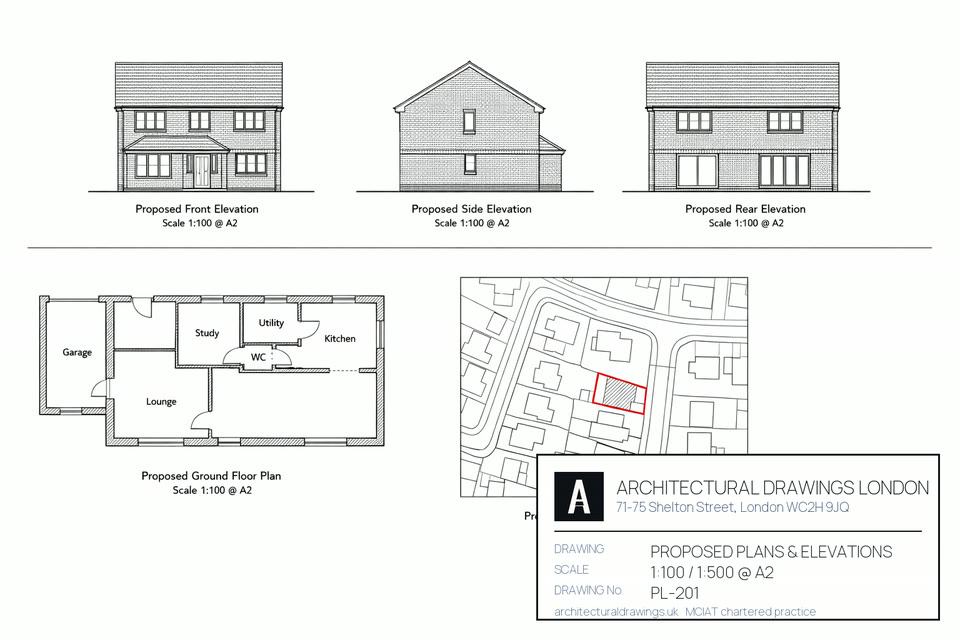
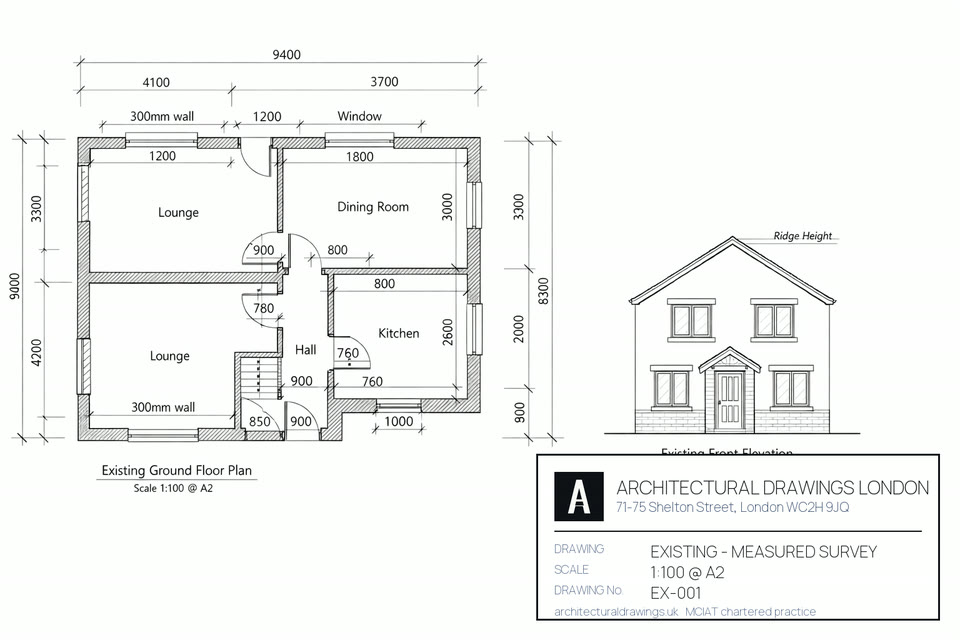
Validation is the first hurdle and the one most self-submitted applications fall at. A London borough will invalidate an application for a missing site location plan at 1:1250, a block plan at 1:500, unlabelled elevations, or drawings that show proposed works without the corresponding existing condition at the same scale. None of those are design failures. They are documentation failures, and they cost weeks because the eight-week determination clock does not begin until the application is valid.
Beyond validation, the planning lead writes the case: the design and access statement where one is required, the heritage statement in a conservation area, and the policy engagement that answers the council's own local plan wording rather than arguing in generalities.
Article 4 directions and what they actually remove
An Article 4 direction is made under article 4 of the GPDO 2015 and withdraws specified permitted development rights across a defined area. It does not ban the works. It removes the right to carry them out without applying, which converts a £274 lawful development certificate into a £548 householder application decided over eight weeks against the full weight of local policy.
They are not uniform. One borough's direction may cover only front elevations and roof alterations to terraces; another's may cover the whole of a conservation area including rear extensions and outbuildings. The scope is written into the direction itself, and reading it — rather than assuming it — is what determines the route.
Conservation areas: what changes and what does not
Conservation area designation under the Planning (Listed Buildings and Conservation Areas) Act 1990 imposes a statutory duty on the council to pay special attention to preserving or enhancing the area's character. In practice that means three things: some permitted development rights are restricted by default, works to trees require six weeks' written notice, and demolition of an unlisted building may itself need consent.
What it does not mean is that contemporary design is refused. Boroughs approve modern rear extensions in conservation areas routinely. What they refuse is design that is indifferent to context — and the difference between those two is argued in the heritage statement.
Appeals, and when they are worth running
A refused householder application can be appealed to the Planning Inspectorate within twelve weeks of the decision notice, under the householder appeals service, which is a written-representations procedure with no hearing. Appeals succeed where the refusal turned on a policy interpretation that the inspector reads differently. They fail where the refusal turned on a fact — an overbearing bulk, a genuine loss of light — that no amount of argument changes. The honest advice is usually to redesign and resubmit, which is free within twelve months of the original decision.
How this looks in a named London borough
Planning Lead in a Ealing context: London Borough of Ealing (Ealing Council) runs 30 conservation areas including the Ealing Broadway Conservation Area and the Pitshanger Conservation Area, and an Article 4 direction is in force there, so permitted development cannot be assumed. That decides how planning lead is handled: £548 and 8 weeks for a Ealing householder application, or £274 for the Lawful Development Certificate that records planning lead as lawful. The law behind planning lead sits in the Town and Country Planning Act 1990, the GPDO 2015 and the Building Regulations 2010.
Planning Lead at a glance
Key figures for Planning Lead
| Role | Planning Consultant, Planning Lead |
|---|
| Specialism | Article 4 directions, conservation areas |
|---|
| Householder application fee | £548, decided in 8 weeks |
|---|
| Prior approval | £249, 21-day consultation, 6 weeks |
|---|
| Lawful development certificate | £274 |
|---|
| Appeal window | 12 weeks, householder appeals service |
|---|
Questions about this role
How do I find out whether an Article 4 direction covers my address?
The direction is published by the borough and mapped on its planning policy pages. The scope varies between authorities, so what matters is not whether a direction exists but which rights it withdraws at your specific address. We check this before any design work begins.
Does a conservation area mean my extension will be refused?
No. Conservation area status changes the test, not the answer. The council must give special attention to preserving or enhancing the area's character, which is argued in a heritage statement. Contemporary rear extensions are approved in London conservation areas regularly.
How long do I have to appeal a refusal?
Twelve weeks from the date on the decision notice for a householder application, through the Planning Inspectorate's householder appeals service. It is decided on written representations. Resubmitting a revised scheme within twelve months of the original decision carries no further fee.