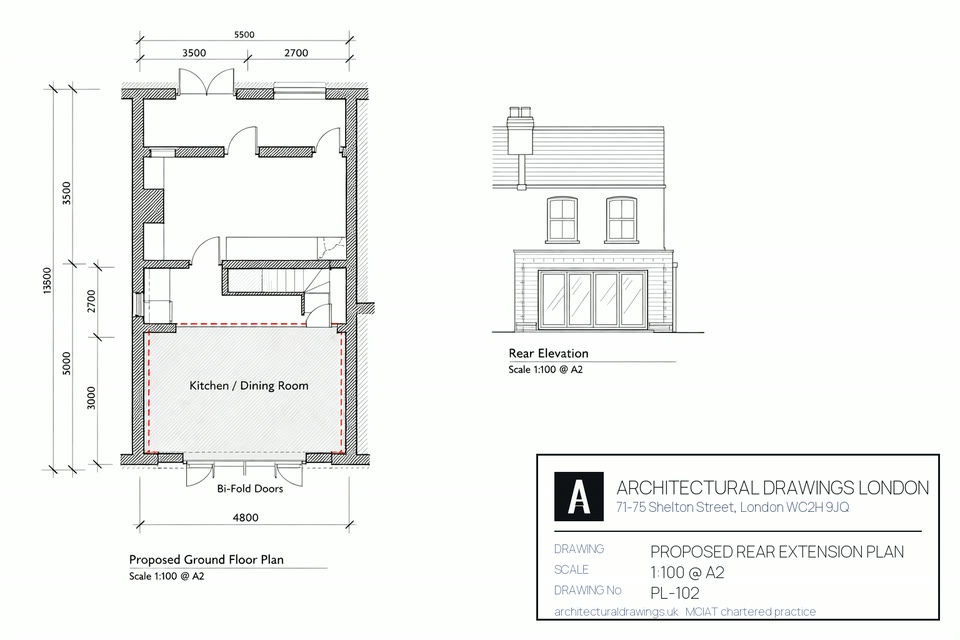
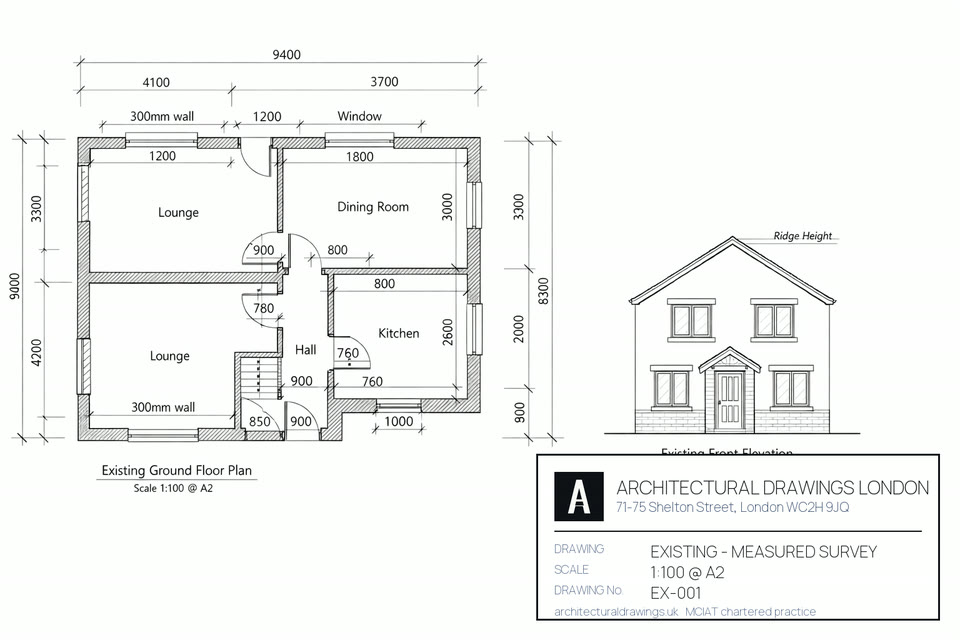
Which Wealdstone postcodes does this mansard roof service cover?
Every Wealdstone postcode district we draw in, the stock that dominates
it and the authority that validates a mansard roof there. Wealdstone fees below are the
statutory England rates for 2026, not mansard roof estimates.
| Postcode | Area | Dominant stock | What it means for a mansard roof |
|---|
| HA3 | Harrow Weald / Kenton / Wealdstone | 1930s semi-detached, post-war flats | A mansard roof at an HA3 address in Harrow Weald / Kenton / Wealdstone is determined by Harrow Council under its own Local Plan policies for Harrow Weald / Kenton / Wealdstone. |
| HA1 | Harrow on the Hill | Georgian and Victorian houses, listed buildings | Neighbouring Harrow on the Hill, where mansard roof work is handled by the same Harrow Council case officers. |
| HA5 | Pinner | Tudor fragments, Edwardian villas, 1930s semi-detached | Neighbouring Pinner, where mansard roof work is handled by the same Harrow Council case officers. |
| HA7 | Stanmore | 1930s semi-detached, Edwardian villas | Neighbouring Stanmore, where mansard roof work is handled by the same Harrow Council case officers. |
| HA3 | Harrow Weald | 1930s semi-detached | Neighbouring Harrow Weald, where mansard roof work is handled by the same Harrow Council case officers. |
| HA3 | Kenton | 1930s semi-detached | Neighbouring Kenton, where mansard roof work is handled by the same Harrow Council case officers. |
| HA2 | North Harrow | 1930s semi-detached | Neighbouring North Harrow, where mansard roof work is handled by the same Harrow Council case officers. |
| HA2 | South Harrow | 1930s semi-detached | Neighbouring South Harrow, where mansard roof work is handled by the same Harrow Council case officers. |
What changes about a mansard roof in each part of Wealdstone?
Roof pitch, wall build-up and plot depth change every few Wealdstone
streets, and each one changes what a mansard roof can achieve at that address.
- Wealdstone (HA3) — a mansard roof in Wealdstone starts from 1930s semi-detached, post-war flats, and Wealdstone reads as 1930s semi-detached, post-war. Mansards are rare on 1930s stock — the hipped roof form works against the geometry in HA3. Harrow Council assesses Wealdstone mansard roofs against its own Wealdstone character guidance, and the location plan we draw for Wealdstone references Wealdstone High Street.
- Near Wealdstone: Stanmore (HA7) — mansard roof work in Stanmore means 1930s semi-detached, edwardian villas. Stanmore is 1930s semi-detached, Green Belt fringe. Edwardian parapets give a mansard a clean base line throughout HA7. Harrow Council decides the Stanmore application, and Stanmore Tube anchors the Stanmore location plan.
- Near Wealdstone: Harrow Weald (HA3) — mansard roof work in Harrow Weald means 1930s semi-detached. Harrow Weald is 1930s semi-detached, Green Belt. Mansards are rare on 1930s stock — the hipped roof form works against the geometry throughout HA3. Harrow Council decides the Harrow Weald application, and Harrow Weald Common anchors the Harrow Weald location plan.
- Near Wealdstone: Kenton (HA3) — 1930s semi-detached defines Kenton, where 1930s semi-detached set what a mansard roof can do. Mansards are rare on 1930s stock — the hipped roof form works against the geometry across HA3. Any Kenton mansard roof is validated by Harrow Council, with Kenton station the usual Kenton reference point on the site plan.
- Near Wealdstone: North Harrow (HA2) — 1930s semi-detached defines North Harrow, where 1930s semi-detached set what a mansard roof can do. Mansards are rare on 1930s stock — the hipped roof form works against the geometry across HA2. Any North Harrow mansard roof is validated by Harrow Council, with North Harrow Tube the usual North Harrow reference point on the site plan.
- Near Wealdstone: South Harrow (HA2) — mansard roof work in South Harrow means 1930s semi-detached. South Harrow is 1930s semi-detached. Mansards are rare on 1930s stock — the hipped roof form works against the geometry throughout HA2. Harrow Council decides the South Harrow application, and South Harrow Tube anchors the South Harrow location plan.
- Near Wealdstone: Harrow on the Hill (HA1) — mansard roof work in Harrow on the Hill means georgian and victorian houses, listed buildings. Harrow on the Hill is Georgian and Victorian conservation hilltop. Mansards read as original on Georgian terraces throughout HA1. Harrow Council decides the Harrow on the Hill application, and Harrow School anchors the Harrow on the Hill location plan.
Does Wealdstone planning policy restrict a mansard roof?
How designation changes a Wealdstone mansard roof: Harrow Council maintains 29 conservation areas, including Pinner Village, Stanmore, Harrow Weald. Inside any of them a Wealdstone mansard roof cannot rely on permitted development, and the route becomes a £548 householder application determined in 8 weeks rather than a £249 prior approval in 6 weeks. Pinner Village sets the tone for Wealdstone casework.
No blanket Article 4 over Wealdstone: Harrow Council has not withdrawn permitted development across Wealdstone, so a mansard roof outside a Wealdstone conservation area usually keeps it. The £274 Lawful Development Certificate is still the document a HA3 owner wants on file.
Wealdstone housing stock: 1930s semi-detached dominates; Edwardian villas in Harrow on the Hill and Pinner; Metropolitan Green Belt in Stanmore and Harrow Weald; post-war flats around Harrow Central. Outer north-west London suburban; Harrow on the Hill has exceptionally strict heritage controls; rest of borough permissive. Read that before choosing a mansard roof route in Wealdstone — construction, not postcode, sets what is achievable.
Who decides a mansard roof on the edge of Wealdstone?
- Hillingdon — cross the Wealdstone boundary and Hillingdon Council takes the mansard roof instead, applying 29 conservation areas of its own around HA4. We re-price mansard roofs at the Wealdstone edge because Hillingdon policy and Harrow policy rarely align on mansard roof depth.
- Barnet — cross the Wealdstone boundary and Barnet Council takes the mansard roof instead, applying 20 conservation areas of its own around N2. We re-price mansard roofs at the Wealdstone edge because Barnet policy and Harrow policy rarely align on mansard roof depth.
- Brent — the Brent boundary runs against Harrow, so a mansard roof a street from Wealdstone is decided by Brent Council instead. Brent runs 22 conservation areas across NW2 and its neighbours, which is why mansard roofs priced for Wealdstone are re-checked against Brent policy whenever the Wealdstone address sits on that edge.
Sources for this Wealdstone mansard roof page: borough policies maps and
conservation-area registers (2025–26), Royal Mail postcode district boundaries,
the Town and Country Planning (Fees for Applications) (England) Regulations, the Town
and Country Planning (General Permitted Development) (England) Order 2015 as amended,
and the Party Wall etc. Act 1996.