The 30-second version
How our remote architectural service works in Brighton
Most Brighton homeowners don’t need a local architect — they need accurate drawings, correct planning policy interpretation, and a responsive team that turns revisions around quickly. Brighton’s bohemian character is underpinned by Regency and Victorian heritage; a large share of its housing stock sits in conservation areas, which is where detailed design knowledge earns its keep.
Virtual or site survey
You capture photos and measurements using our one-page checklist. For Kemptown and Brunswick Regency work we often train down for a site visit (chargeable at travel cost).
Existing drawings
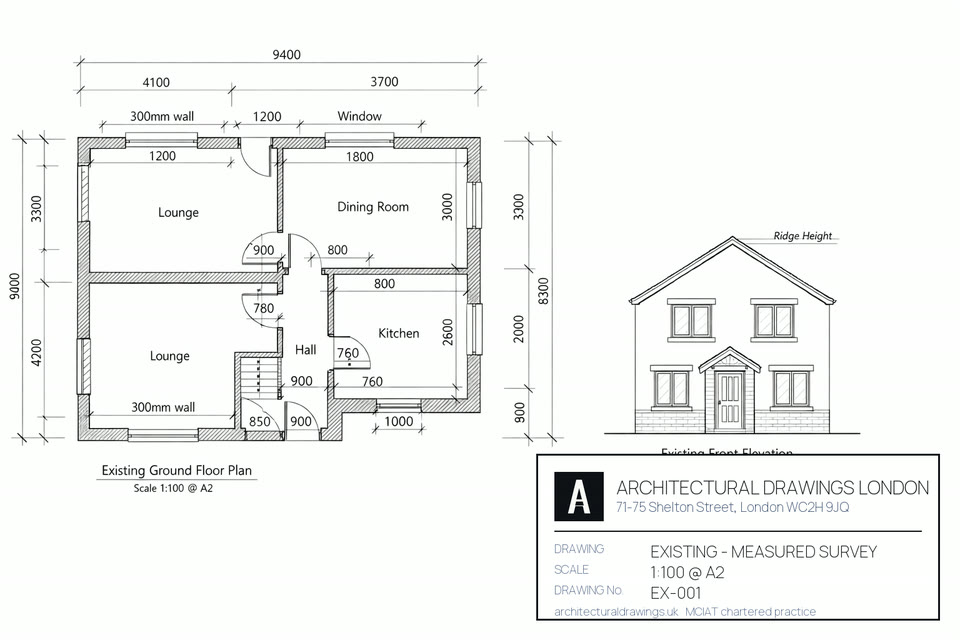
We produce CAD floor plans, elevations and sections from your survey, then verify everything on a 15-minute video call before design work starts.
Design & policy check
We design against the Brighton & Hove City Plan, relevant Article 4 Directions, conservation area appraisals and listed-building guidance.
Submission
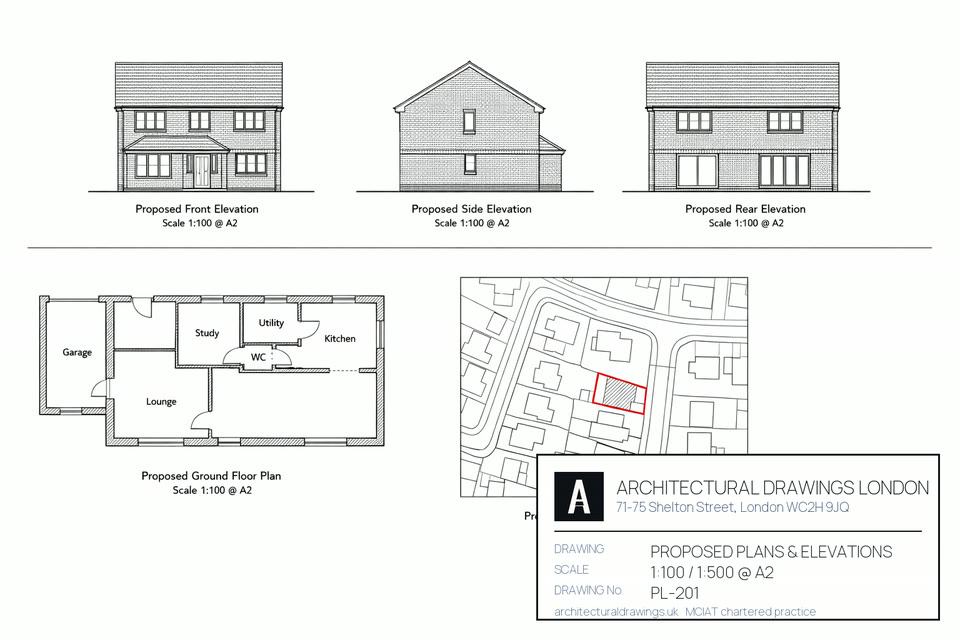
We prepare the full application pack (with Heritage Statement where needed), submit via the Planning Portal, and manage revisions to decision.
Every package below is delivered end-to-end by an architectural technologist. Revisions and officer queries are included; no hourly billing.
Brighton’s planning context
Housing stock. Regency seafront terraces in Kemptown and Brunswick, bay-fronted Victorian streets across Seven Dials, Preston Park and Fiveways, Edwardian villas in Hove, and increasingly dense conversion flats throughout. Outlying post-war stock in Moulsecoomb, Whitehawk and Woodingdean rounds out the picture.
Conservation & heritage. Brighton & Hove has 34 conservation areas including Clifton Hill, Kemptown, Brunswick Town, Queen’s Park, Montpelier & Clifton Hill, and Seven Dials. Many are under Article 4 Directions, and the city includes a high density of Grade II and II* listings along the seafront crescents. Conservation officers are particularly strict on front-elevation changes and rear dormer sizes.
Council approach. Brighton & Hove City Council is alert to overdevelopment; loft conversions with rear dormers are often refused in conservation areas and pushed towards mansard or hip-to-gable alternatives. We handle these conversions regularly. The Brighton & Hove City Plan Part One and the Conservation Strategy guide our policy work.
Why choose us for your Brighton project
Frequently asked questions
Can you really work outside London on a Brighton project?
Yes. Brighton is one of our most-served cities outside London — the train makes site visits cheap and heritage applications are very similar in character to London conservation work. We routinely deliver into Brighton & Hove City Council remotely.
Do you visit the site in Brighton?
Yes, often — the train from London Victoria or St Pancras is short and affordable. Site visits typically run £120–£160 from London including rail fare. For simple houses the virtual survey still works well.
How does the virtual survey work?
We send you a PDF survey pack with a one-page photo plan, room-by-room measurement checklist, and guidance on capturing floor-to-ceiling heights and window positions. You return it by email within a few days. We then produce existing drawings and schedule a verification call before proposed design work begins.
Do you know Brighton & Hove City Council’s planning policies?
Yes. We maintain a working file on BHCC’s current validation requirements, the Kemptown, Brunswick Town and Seven Dials conservation appraisals, and the Council’s rear dormer restrictions in conservation areas. Our council-ready drawing review is sustained across every English authority we’ve drawn into.
What’s the cost difference versus a local Brighton architect?
Local architects in Brighton typically quote at hourly rates of £75–£105 and total project fees from £3,200 upwards for a house extension. The saving is roughly 30–50%.