Key facts at a glance
- Architectural technologist: design, planning drawings, building regulations drawings
- Structural engineer: foundation design, beam sizing, structural calculations
- Most extensions and loft conversions need both — they work in parallel
- The architectural technologist typically coordinates the structural engineer's input
- Structural engineer fees: £500–£2,000 for residential projects
- Building control requires structural calculations — this is the engineer's primary deliverable
Who does what on a London extension?
The technologist designs and submits; the engineer proves the structure. Both are needed once a load path changes. Building control checks the engineer’s calculations at full plans stage and must decide within five weeks; the planning application never assesses structure at all.
| Task | Architectural technologist | Structural engineer |
|---|---|---|
| Planning drawings and submission | Yes | No |
| Building regulations package | Yes | Contributes calculations |
| Beam and lintel design | No | Yes |
| Foundation and underpinning design | No | Yes |
| Party wall drawings | Yes | Supports the surveyor |
| Who the output goes to | the council | building control |
| Statutory decision period at full plans | — | 5 weeks, Building Regulations 2010 reg 14 |
Sources: the Building Regulations 2010 (as amended), Schedule 1 Part A and regulation 14; Approved Document A; and the Chartered Institute of Architectural Technologists Royal Charter. Read at 1 September 2026. Neither role is reserved by statute for a house extension: what a council checks is the drawings and the calculations, not the title of the person who produced them.
What an architectural technologist does
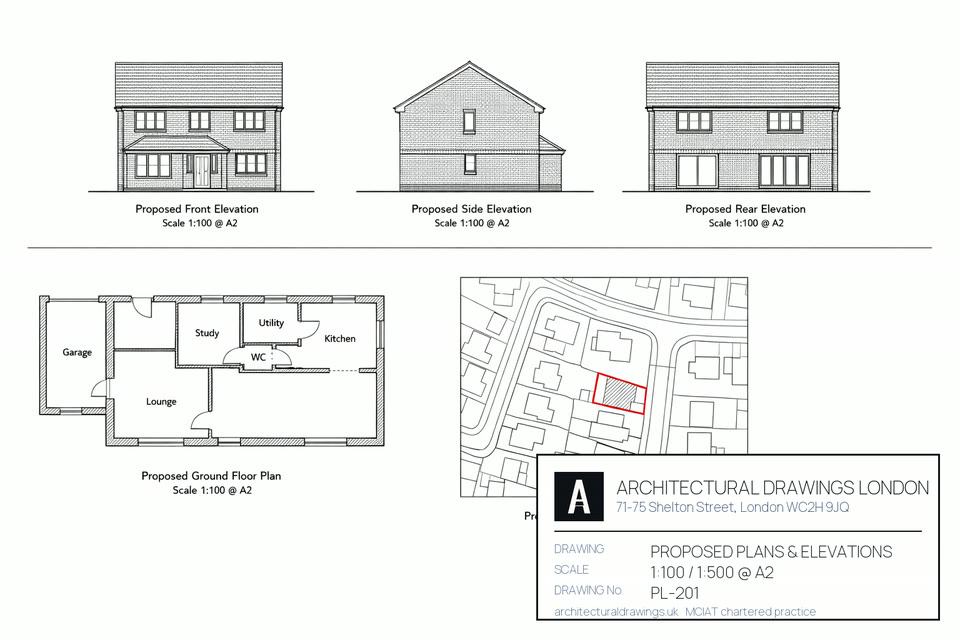
An architectural technologist produces the design drawings and documentation for planning permission and building regulations approval. This includes: measured survey drawings, existing and proposed floor plans, elevations, sections, roof plans, a site location plan, a Design and Access Statement (where required), and all the technical drawings showing construction details for building regulations compliance. They are the project's primary professional and typically coordinate other consultants.
What a structural engineer does
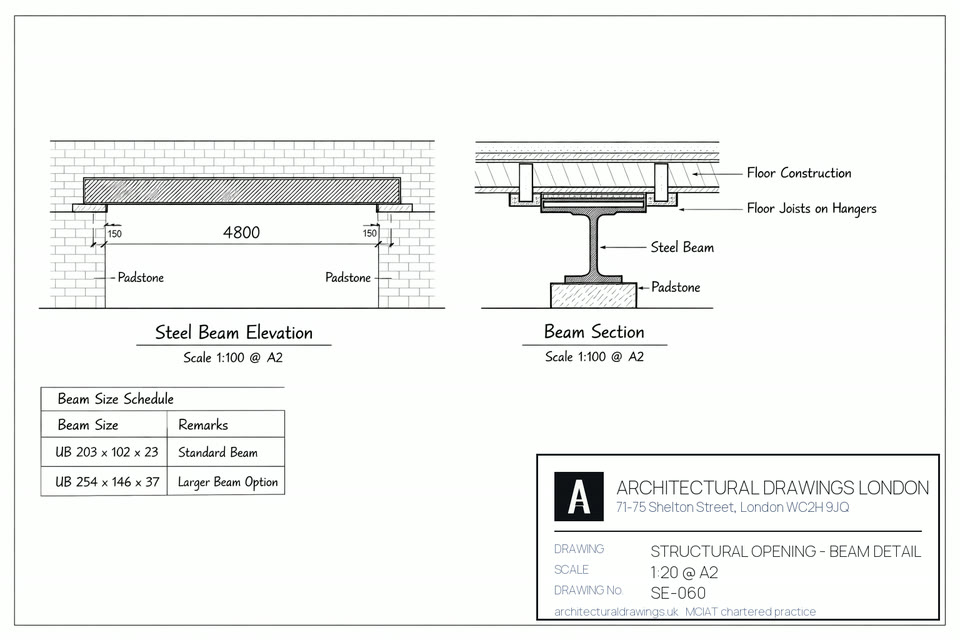
A structural engineer designs the load-bearing elements of the proposed works — foundations, beams, columns, floor structures, and roof structures. For a rear extension, the engineer calculates the pad foundation sizes, designs the steel or timber beam spanning the new opening, and specifies the new floor joist scheme. For a loft conversion, the engineer designs the new loft floor structure, the ridge beam, and the structural supports for the dormer.
Structural calculations are required by building control as part of the Part A (Structure) compliance review. Without an engineer's calculations, the building control officer cannot approve the structural elements of the works.
How they work together
On a typical residential project, the architectural technologist produces the initial design drawings (which are used for planning if needed). Once planning is approved (or the LDC granted), the engineer designs the structural scheme based on the architectural drawings. The technologist then incorporates the engineer's structural details into the building regulations package — showing how the beam sits in the structure, how foundations are specified, and how structural elements relate to the architectural design.
Our building regulations packages are produced in coordination with structural engineers. We manage the relationship and ensure the engineer's calculations are incorporated correctly — you deal with one professional rather than two.
Do you always need both?
For simple, non-structural works (redecorations, non-structural internal alterations), you need neither. For extensions and loft conversions — which always involve structural changes — you need both, but the architectural technologist coordinates the engineer and you typically only communicate directly with one practice.
Verdict
For any project involving new openings, extensions, or loft conversions, you need both. Commission the architectural technologist first — they design the scheme and manage the structural engineer's brief. You should not need to manage the engineer directly.
Frequently asked questions
Can a structural engineer produce planning drawings?
Structural engineers are not trained in planning policy, design, or the production of planning application drawings. They produce structural calculations and structural drawings only. Planning drawings require an architectural technologist or architect.
Do I need to find my own structural engineer?
At Architectural Drawings London, we coordinate the structural engineer on your behalf as part of our building regulations package. You do not need to source or brief an engineer separately.
What qualifications should a structural engineer have?
Look for CEng (Chartered Engineer) status and membership of the Institution of Structural Engineers (MIStructE) or Institute of Civil Engineers (MICE). Both require degree-level study and several years of professional experience.
How much does a structural engineer cost for an extension?
Structural engineer fees for a single-storey rear extension typically range from £500–£1,200. A more complex project (basement, two-storey extension, steel frame) costs £1,500–£3,000. The fee is for calculations and structural drawings only.
Can the building control officer request structural calculations without a structural engineer?
No. Building control officers assess whether the submitted calculations comply with Approved Document A — they do not produce calculations themselves. If no calculations are submitted, the BCO cannot approve the structural elements.