Key facts at a glance
- Householder: for extensions, loft conversions, and alterations to an existing dwelling
- Full planning: for new dwellings, change of use, or commercial development
- Householder fee: £548 (2026); full planning fee: higher, based on floor area or units
- Both have an 8-week statutory determination period (often longer in practice)
- Householder applications cannot be used for works that create a new dwelling
- Planning appeals for householder refusals are decided by written representations
Householder or full planning — which application is yours?
Householder covers alterations and extensions to a single house within its curtilage. Anything that creates a new dwelling, changes use, or affects a flat needs a full application. The fee is the same £548 for householder, and full applications are charged by category.
| Householder application | Full application | |
|---|---|---|
| Covers | extensions and alterations to one house | new dwellings, changes of use, flats |
| Fee (England, 2026) | £548 | £610 for one new dwelling |
| Determination period | 8 weeks | 8 weeks, 13 for a major |
| Available for a flat | No | Yes |
| Appeal route | householder appeal, s.78 | full appeal, s.78 |
| London householder appeals allowed | 40.8% of 13,067 | 22.4% of 9,526 for dwellings |
| Free resubmission | once within 12 months | once within 12 months |
Sources: the Town and Country Planning (Development Management Procedure) (England) Order 2015 and the Fees for Applications Regulations 2012 as amended, 2026 rates; appeal outcomes from Planning Inspectorate casework decided 2016–2026, counting decided appeals only. Read at 1 September 2026. The householder appeal route is faster and simpler, which is one practical reason not to submit a scheme as a full application when a householder one would carry it.
What is a householder planning application?
A householder application is the planning route for works to an existing dwelling — where you live, or a residential property you own. It covers: rear extensions, side extensions, loft conversions, dormer windows, porches, outbuildings, boundary walls, and other alterations. It is the most common planning application type in London and has a flat fee of £548 (from December 2023 rates in England).
Crucially, a householder application can only be used for works to an existing dwelling that do not create additional dwellings. If your project involves converting a house into two flats, adding a self-contained annexe, or building a new house in the garden, a householder application does not apply.
What is a full planning application?
A full planning application covers all development that does not fit the householder route — new dwellings, change of use, commercial development, flats, HMOs, and basement conversions where the use changes. The fee is calculated based on floor area, number of dwellings, or other metrics depending on the development type. For a single new dwelling, the fee is £610 (2026); for multiple dwellings, it scales per unit.
Full planning applications involve a more extensive public consultation process — surrounding residents are notified, planning officers may recommend referral to planning committee for contentious applications, and the process is generally more complex and slower than householder applications.
Common borderline cases
Basement conversion: Converting a basement to a living space within a single dwelling — householder. Converting a basement to a separate flat — full planning.
Garage conversion: Converting a garage to a habitable room within the same dwelling — usually PD or householder. Converting to a self-contained annexe — may require full planning depending on independence.
Loft with separate entrance: Adding a loft room accessible only from the main house — householder. Adding a loft flat with its own entrance and facilities — full planning for change of use.
Verdict
If you are extending or altering your existing house without creating a new separate dwelling, a householder application is the route. If you are creating new dwellings, converting commercial space, or making any change of use, you need a full planning application.
Frequently asked questions
Can I convert my house into flats with a householder application?
No. Converting a house into two or more flats is a change of use (Class C3 to C3 HMO or additional dwelling) and requires a full planning application.
Is the householder fee the same across all London boroughs?
Planning application fees are set nationally by the government, not by individual councils. The householder fee is £548 across all English planning authorities as of 2026.
What is the difference between householder and outline planning?
Outline planning establishes the principle of development for a new dwelling or development before detailed design is finalised. It is not used for works to existing dwellings. Householder applications are always for detailed proposals on an existing house.
Can I appeal a householder planning refusal?
Yes. Householder planning appeals are decided by the Planning Inspectorate via written representations — you submit your case in writing, the council submits their response, and an inspector decides. The appeal fee is free for householder appeals.
What documents are needed for a householder application?
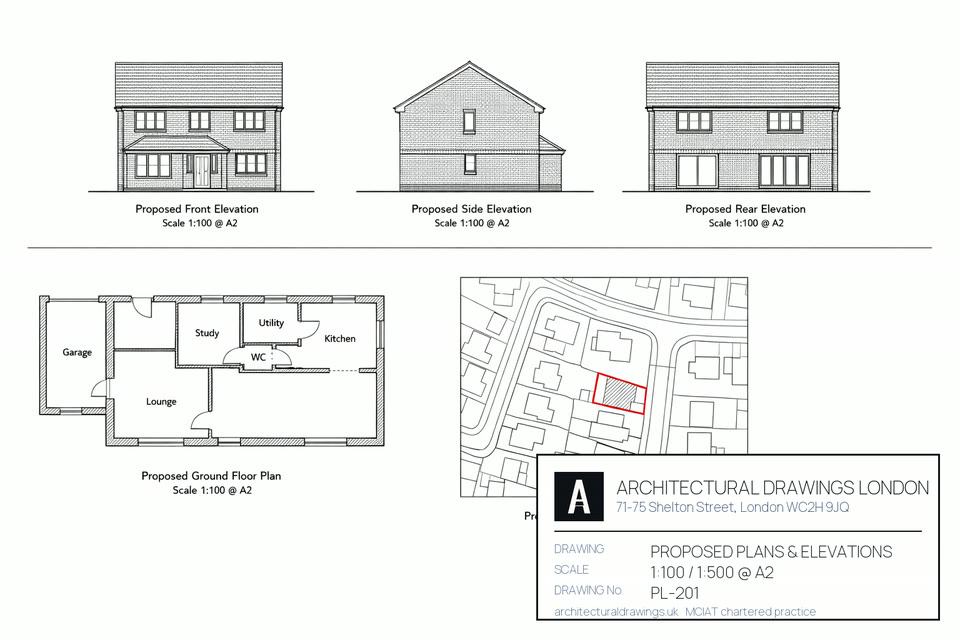
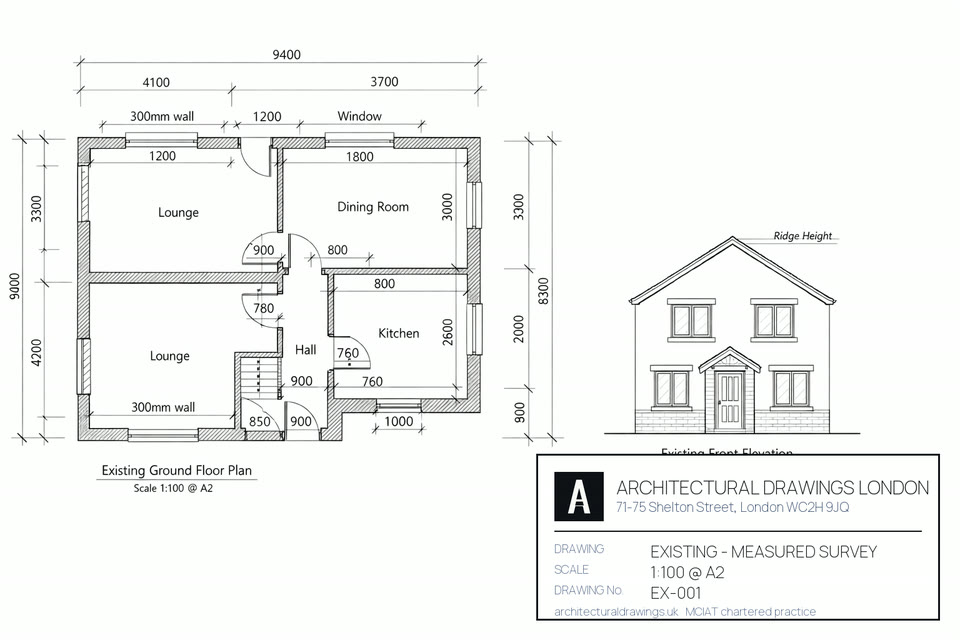
Completed application form, existing and proposed drawings (floor plans, elevations), site location plan, Design and Access Statement (for conservation areas or significant extensions), and the application fee. Our planning drawings packages include all required documents.